What Is Augmented Reality and How Is It Changing Our Lives?
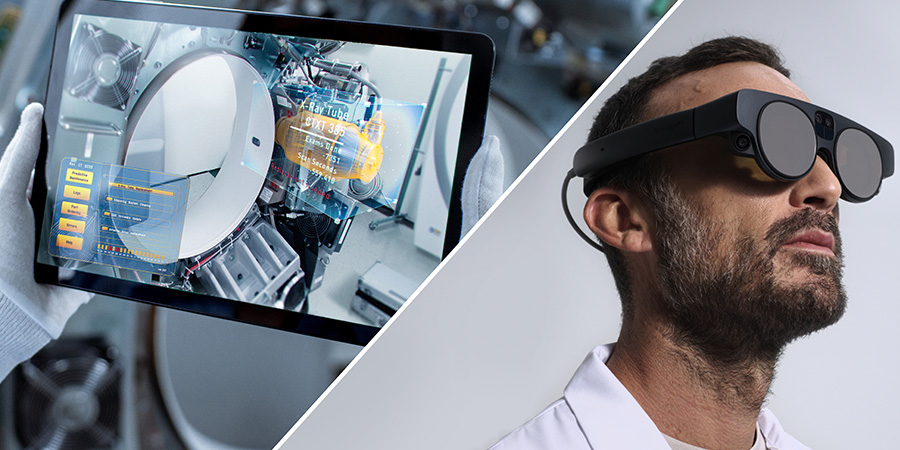
Augmented Reality (AR) is an innovative technology that overlays digital information, such as images and sounds, onto the real world, enhancing our perception of reality. Unlike Virtual Reality (VR), which immerses users in a completely digital environment, AR allows for an interactive experience where virtual elements coexist with the physical world. This technology has gained significant traction in recent years, with applications spanning various fields including education, healthcare, and entertainment. For instance, AR-enabled learning tools can transform a standard classroom into an interactive space where students can visualize complex concepts, making education more engaging and effective.
The impact of Augmented Reality on our daily lives is profound and continues to evolve. In the realm of retail, AR applications allow customers to visualize products in their own homes before making a purchase, enhancing the shopping experience. Moreover, AR is revolutionizing industries such as real estate by enabling potential buyers to take virtual tours of properties, streamlining decision-making. As AR technology becomes more accessible and integrated into everyday devices like smartphones and wearables, its ability to transform how we interact with the world around us is undeniable, paving the way for a future where the virtual and real are intricately intertwined.
10 Exciting Applications of Augmented Reality You Need to Know About
Augmented Reality (AR) is revolutionizing various industries by enhancing our perception of the world around us. Here are 10 exciting applications of Augmented Reality that you need to know about:
- Retail Shopping: AR allows customers to visualize products in their own homes before making a purchase, improving the shopping experience.
- Education: Interactive AR experiences in classrooms make learning more engaging, enabling students to explore complex subjects in a more immersive manner.
- Healthcare: Medical professionals use AR for surgical simulations and patient education, providing critical information in real-time during operations.
- Gaming: Games like Pokémon GO merge the virtual and real world, enticing users to explore their surroundings with added layers of interactive fun.
- Interior Design: AR apps help users experiment with furniture arrangements and color schemes, ensuring a perfect fit for their living spaces.
Beyond these initial applications, AR technology has numerous other exciting uses. Consider the following:
- Tourism: Tourists can enhance their sightseeing experiences with AR guides that provide historical information and context about landmarks.
- Real Estate: Virtual property tours powered by AR allow potential buyers to visualize homes without being physically present.
- Automotive Industry: AR offers heads-up displays for drivers, projecting vital information onto the windshield for safer navigation.
- Manufacturing: Workers use AR applications for assembly and repair, receiving real-time guidance and reducing errors.
- Fitness: AR integrates gamification into workouts, motivating users by tracking their progress in engaging ways.
How Augmented Reality Is Revolutionizing Industries From Gaming to Healthcare
Augmented Reality (AR) is transforming various sectors by enhancing the way we interact with digital content in the physical world. In the gaming industry, AR has taken the gaming experience to a whole new level, allowing players to engage with their environment in real-time. Popular games like Pokémon GO have demonstrated the power of AR by merging the digital and physical realms, encouraging players to explore their surroundings while fostering social connections. As AR technology advances, its integration into gaming is expected to become more immersive, leading to new types of gameplay that were once unimaginable.
Beyond entertainment, augmented reality holds significant potential in healthcare. Medical professionals are using AR to visualize complex information during surgeries, providing them with critical data overlaid onto the patient's body. This can improve precision and outcomes in procedures. Training and education in healthcare have also benefited; students can use AR to practice surgical techniques in a risk-free environment, gaining hands-on experience before entering the operating room. As industries continue to explore the applications of AR, its revolutionary impact will only expand, bridging the gap between digital innovations and real-world applications.